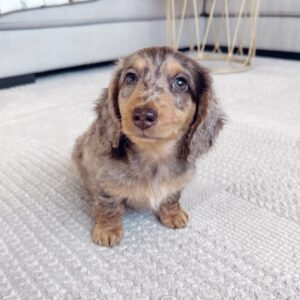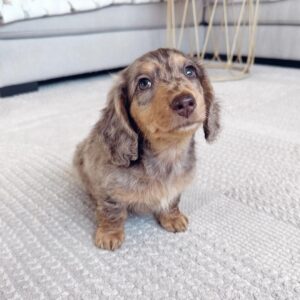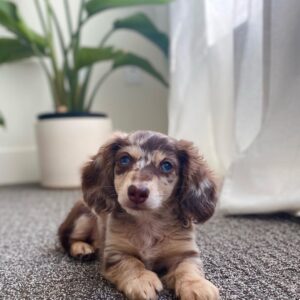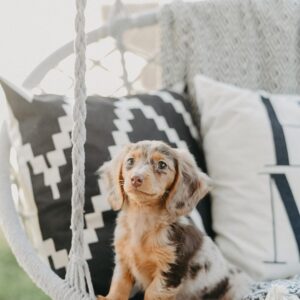

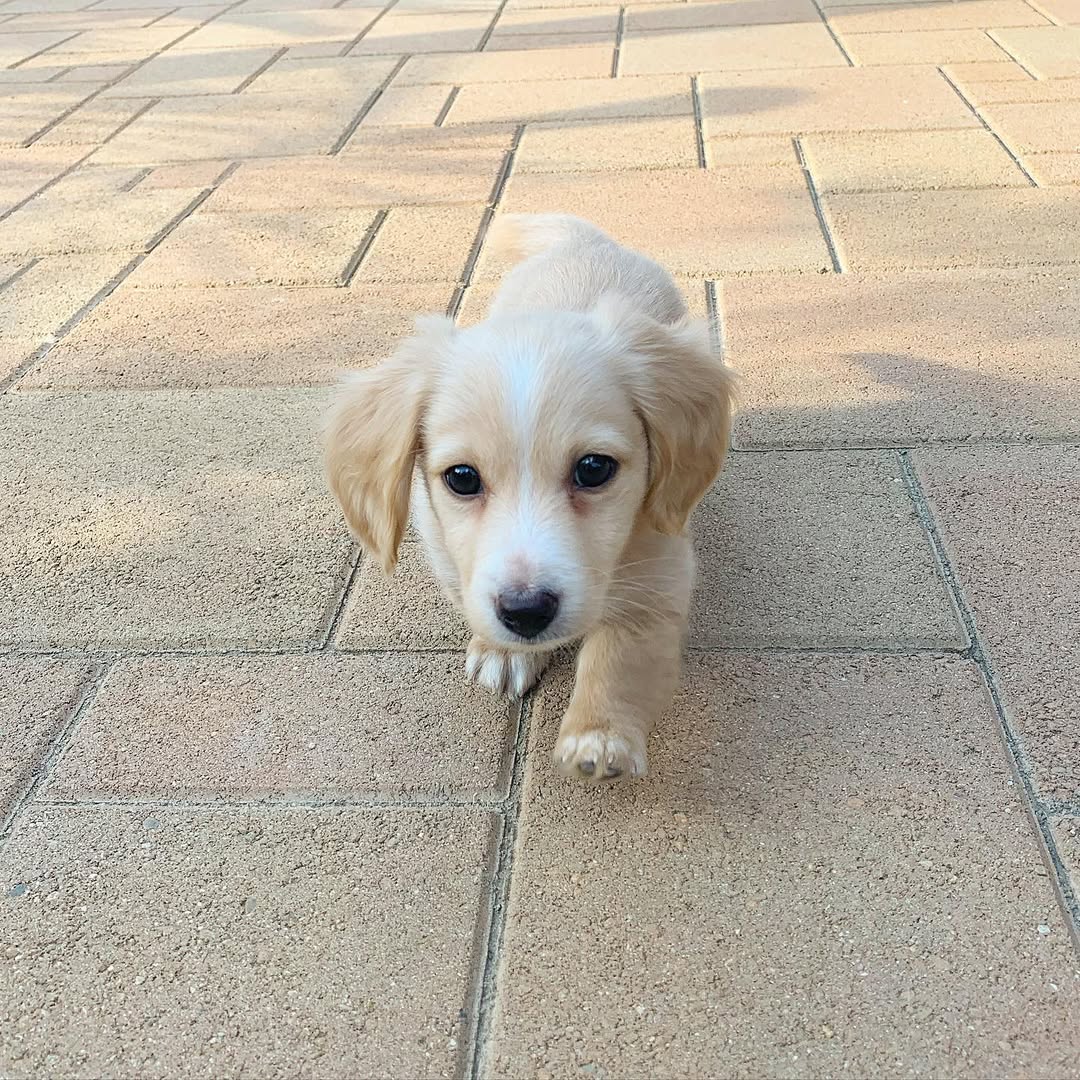

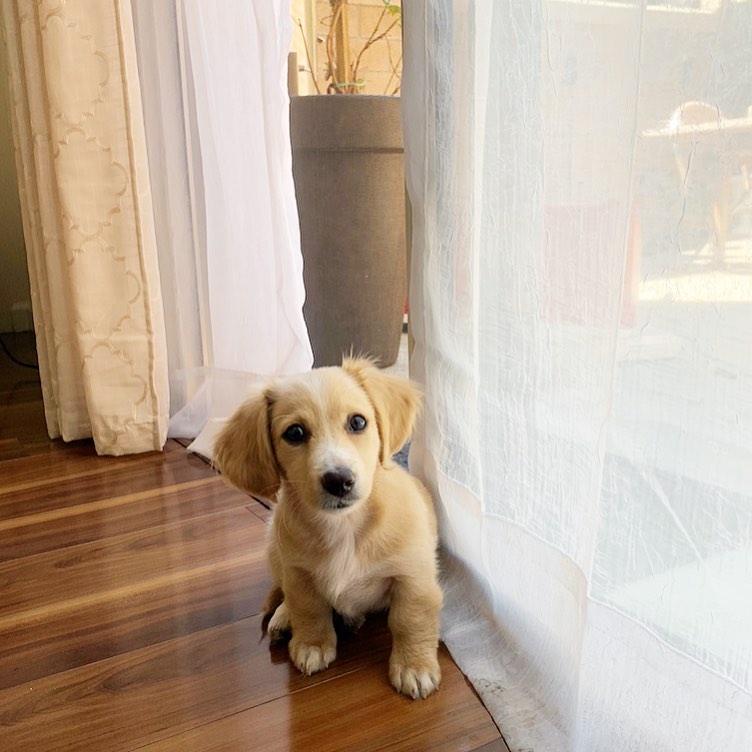
Long Haired Blonde Dachshund
PET NAME: Rocky
Puppy Price: $900
Shipping Fee: $120
Estimated Weight: 10lbs
Category: MINI
Age: 11 weeks
Gender: Male
Vaccines: Current on shots
Hypoallergenic: YES
Shedding Rate: Very Low
Health Guarantee: 1 Year
$900.00
Quick Summary: The Long-Haired Blonde Dachshund
A long-haired blonde dachshund is a variety of the dachshund breed featuring a silky, golden coat, often resulting from “clear red” or “English Cream” genetics. While visually stunning, they require specific care for their long fur and specialized spinal support to prevent Intervertebral Disc Disease (IVDD). They are known for having the calmest temperament within the hound group.
The Long-Haired Blonde Dachshund: A Deep Dive into the “Golden” Weenie
There is something undeniably ethereal about a long-haired blonde dachshund catching the sunlight during a morning walk. In my twenty years of veterinary practice and breed advocacy, I’ve found that this specific color and coat combination acts as a magnet for dog lovers.
However, beneath that flowing, golden exterior lies the heart of a tenacious hunter. Whether you are a first-time owner or a seasoned “doxie” veteran, understanding the intersection of their badger hunting origins and their unique genetic makeup is vital for a happy home.
What Exactly Defines a “Blonde” Dachshund?
In the official breed standards, you won’t often find the word “blonde.” Instead, you’ll hear terms like “English Cream,” “Clear Red,” or “Shaded Cream.” To the average owner, these all fall under the long-haired blonde dachshund umbrella.
The Genetic Palette
-
English Cream: Derived from British lineages, these dogs have a cool, pale yellow hue.
-
Clear Red: These dogs lack black pigment (overlay) and can appear as a vibrant, warm blonde.
-
Shaded Cream: These puppies are often born dark and “clear out” to a beautiful golden blonde with dark tips on their ears and tail.
Standard vs. Miniature Sizing
Size matters when it comes to health and housing.
-
Miniature: Weighs 11 pounds or less at 12 months.
-
Standard: Typically weighs between 16 and 32 pounds.
-
Tweenie: A non-official term for dogs falling in the 12–15 pound range.
Why the Long-Haired Blonde is the “Golden Retriever” of Dachshunds
In our years of working with the breed, we have noted a distinct behavioral difference tied to coat type. While smooth-haired dachshunds can be spicy and wire-haired versions are often mischievous, long-haired blondes tend to be the most docile.
Pros and Cons of the Long-Haired Blonde Dachshund
| Feature | Pros | Cons |
| Temperament | Often gentler and more “lap-dog” oriented. | Can be more prone to separation anxiety. |
| Grooming | Silky fur is soft to the touch and less “prickly.” | High maintenance; prone to matting and “briars.” |
| Aesthetics | Highly photogenic and rare; holds high resale/breeder value. | Shows dirt, mud, and grass stains immediately. |
| Activity Level | Energetic but generally settles down quickly indoors. | Still possesses a high prey drive for small animals. |
Is a Long-Haired Blonde Dachshund Difficult to Maintain?
Owning a blonde variety involves more than just standard pet care. Their coat is a literal sponge for the environment.
The Grooming Commitment
-
Daily Brushing: To prevent “mats” in the “armpits” and behind the ears.
-
Sanitary Trims: Essential to keep the long “feathering” on their legs from collecting debris.
-
Bath Frequency: Because they are low to the ground, their blonde chest fur acts as a mop. Expect to bathe them every 2–4 weeks.
Cost and Time Requirements
-
Initial Investment: $2,000 – $5,000 for a well-bred puppy with health clearances.
-
Professional Grooming: $60 – $100 every six weeks.
-
Daily Time: 30 minutes of coat maintenance and 45 minutes of structured, back-safe activity.
Health & Longevity: Protecting the Long Spine
The most critical aspect of dachshund ownership is managing Intervertebral disc health. Because of their short legs (chondrodystrophy), their spines are under constant mechanical tension.
The Reality of IVDD
Intervertebral Disc Disease (IVDD) affects roughly 1 in 4 dachshunds. It occurs when the cushioning discs between the vertebrae harden or rupture.
Expert Preventative Care Tips
-
The No-Jump Rule: Invest in ramps for sofas and beds. Jumping down is the #1 cause of acute disc herniation.
-
Weight Management: An overweight dachshund is a medical emergency waiting to happen. You should always be able to feel—but not see—their ribs.
-
Supportive Handling: Always lift with one hand under the chest and the other supporting the rump. Never let their back dangle.
Training Your “Stubborn” Golden Companion
Dachshunds are famously independent. This isn’t lack of intelligence; it’s the result of their badger hunting origins where they had to make split-second decisions underground without human guidance.
-
Patience with Housebreaking: Their “big dog” ego means they don’t like going out in the rain or cold.
-
Positive Reinforcement: Harsh corrections will cause a dachshund to shut down. Use high-value treats like freeze-dried liver.
FAQ: Frequently Asked Questions
How much exercise does a dachshund actually need?
A long-haired blonde dachshund requires moderate exercise, roughly 30 to 60 minutes daily. However, back safety is paramount. Focus on leash walks on flat surfaces. Avoid fetch games that require sudden twisting or high jumps, as these are high-risk movements for IVDD.
Are dachshunds difficult to housebreak?
Yes, they have a reputation for being stubborn. This often stems from their dislike of inclement weather. We recommend a consistent schedule, crate training, and perhaps a covered outdoor area for potty breaks to mitigate their “diva” tendencies.
What is the best diet for a dachshund to prevent back issues?
Weight management is your best defense against spinal issues. Feed a high-quality, grain-inclusive or grain-free diet (as per your vet’s advice) that is calorie-dense but portion-controlled. Supplements like Glucosamine, Chondroitin, and Omega-3s are excellent for long-term Intervertebral disc health.
Can dachshunds live in apartments?
Absolutely. Their size makes them ideal for small spaces. However, be aware of their “alert barking.” They take their job as guardians seriously and will bark at noises in the hallway. Consistent “quiet” command training is essential for apartment dwellers.
How do I socialize a dachshund with other pets?
Slowly and with confidence. Dachshunds often forget they are small, frequently displaying a “big dog” ego around much larger breeds. Supervised socialization in neutral territories is key. Because of their hunting roots, introduce them carefully to small “prey” animals like hamsters or birds.
The Verdict: Should You Get a Blonde “Doxie”?
The long-haired blonde dachshund is a masterpiece of canine breeding—affectionate, strikingly beautiful, and fiercely loyal. However, they are not “low-maintenance.” If you are prepared to manage their spinal health with ramps, keep their golden coats tangle-free, and provide the firm but loving leadership they require, you will have a companion like no other.
Final Expert Note: Always ask your breeder for the parents’ IVDD screening results and ensure they are breeding for temperament as much as that beautiful blonde coat.
Related products